
When moonlight pools beneath moss-draped oaks and faint drumming echoes across a deserted heath, every folk horror anthology becomes more than ink on paper—it’s living dread.
In this guide, we present the ten best folk horror anthologies, each selected to transport believers into haunted landscapes where rural horror thrives and ancestral rituals stir beneath the surface.
From chapters steeped in supernatural folklore to volumes of cursed collections, these stories awaken a primal terror that lingers long after the final page is turned.
Prepare to venture into rural dread, where every whisper in the night feels unnervingly real.
What Is a Folk Horror Anthology?
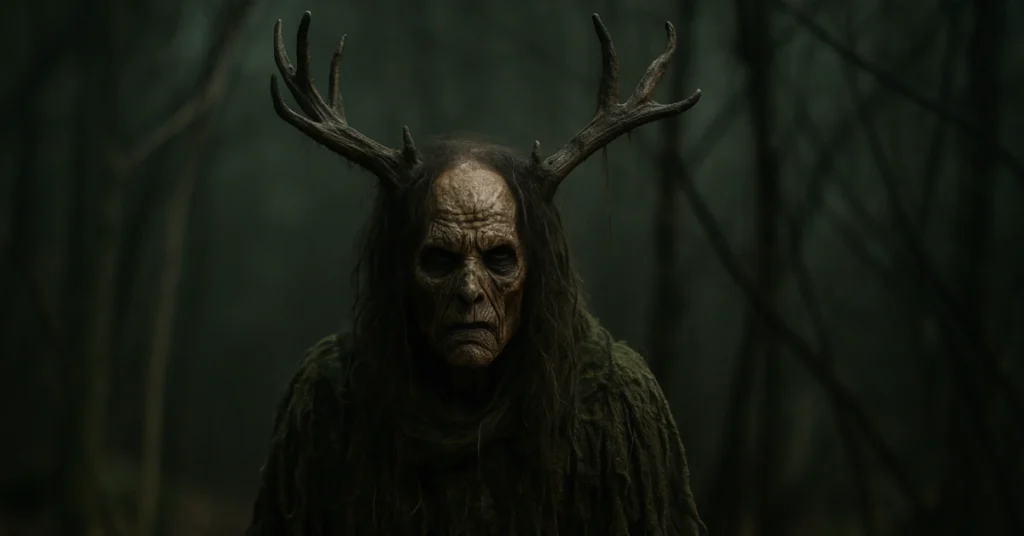
A folk horror anthology weaves ancient beliefs, local customs, and primal dread into short‐story form—often unfolding in remote, rural locales where every rustle of wind through twisted oaks feels alive.
These dark fiction collections highlight key motifs: moonlit pagan rites in mist‐shrouded fields, ancestral curses carved into weathered stones, and villages honoring long‐forgotten deities.
Each tale can transport you from a fog‐bound Slavic forest to an Appalachian hollow where the hush between church bells pulses with unease.
By gathering multiple voices and regional traditions, a folk horror anthology becomes a rural dread compendium, immersing readers in a spectrum of uncanny encounters and haunted landscapes.
Anthology vs. Novel
- Multi-Author Variety
A single-author folk-horror novel follows one continuous narrative; a folk horror anthology brings together diverse writers, each offering unique perspectives on rural terror. - Spotlight on “Haunted Hamlets”
In a novel, you delve into one community’s dark secrets. In an anthology, you journey through dozens of “haunted hamlets,” sampling different cultural backdrops and unsettling rituals in a single volume. - Pacing & Atmosphere
Anthologies let you dive quickly into new settings—one story might feature a mist-shrouded ritual in rural Ireland, the next an Appalachian curse—building cumulative dread that lingers. - Appeal for Believers
For readers who sense spirits in the woods, anthologies validate that belief by offering multiple, self-contained glimpses of rural horror, crafting a richer tapestry of ancestral fears than any standalone novel can.
The 10 Best Folk Horror Anthologies
Each of these folk horror anthology collections plunges you into haunted landscapes, rural horror, and supernatural folklore.
For believers who sense ancient rituals stirring just beyond the treeline, these volumes promise primal dread that lingers long after the final page.
Also Read: The 10+ Best Folk Horror Novels of All Time
1. Never Whistle at Night: An Indigenous Dark Fiction Anthology
Fifteen stories from Ojibwe, Cree, and other Indigenous voices, each steeped in living traditions.
Expect shape-shifters under blood-red moons, vengeful spirit guardians, and ancestral rites made manifest beside sacred lakes.
Why You Should Read It
This folk horror anthology honors authentic lore rather than treating belief as mere backdrop.
Authors like Cynthia Leitich Smith and Eden Robinson conjure supernatural folklore so vivid you’ll feel pine-scented wind and ancestral curses pressing on your mind.
Tribal ceremonies and land spirits refuse to stay silent—validating that rural dread compendium where land holds memories and malice.
Essential for anyone seeking a cultural tapestry of living dread.
2. Damnable Tales: A Folk Horror Anthology
Edited by Richard Wells, this dark fiction collection razes classic English countryside dread: moss-laden chapels, witch trials beneath gibbous moons, and restless specters roaming village lanes.
Illustrated interludes heighten the sense of uncanny menace.
Why You Should Read It
As a cornerstone folk horror anthology, it features legends like Shirley Jackson, Arthur Machen, and Robert Aickman.
Their tales ground horror in real-world settings—hedgerows whisper curses, churchyards harbor shapeshifting shadows, and fields demand blood as tribute.
Wells’s illustrations amplify the atmosphere, making every haunted landscape feel alive.
Believers in supernatural folklore recognize village superstitions here as living threats.
3. The Mammoth Book of Folk Horror: Evil Lives On in the Land!
Stephen Jones’s expansive compendium spans global rural horror: Scottish moors where faces vanish into swirling mist, Scandinavian forests hiding twisted fae bargains, and American cornfields demanding sacrificial tribute.
Over forty stories illustrate land as antagonist.
Why You Should Read It
This definitive folk horror anthology assembles voices like Ramsey Campbell and Caitlín R. Kiernan.
Kiernan’s “Deepwood,” in particular, depicts a forest that refuses to let trespassers leave—an exemplary rural dread compendium moment.
Each tale’s setting functions as a haunted landscape, proving that land itself can be malevolent.
For believers seeking a cross-continental tapestry of cursed collections, this volume delivers fresh nightmares.
4. The Fiends in the Furrows: An Anthology of Folk Horror
Edited by David T. Neal and Christine M. Scott, this tight collection zeroes in on rural England’s darkest corners.
Nine stories evoke fields that bleed, fertility rites gone awry, and crooked saints whose bones still curse the living.
Why You Should Read It
The Fiends in the Furrows is a masterclass in focused rural horror. In just nine narratives—like the chilling “Harvest Blight,” where villagers must a pay bloody price for their crops—readers encounter a potent rural dread compendium.
Every hillock and hedgerow feels charged with malevolence.
For anyone convinced that the land itself can demand tribute, this folk horror anthology feels unshakably real.
5. Into the Forest: Tales of the Baba Yaga
Thirteen global stories centered on Baba Yaga’s hut-on-chicken-legs.
From snowbound taigas to ember-lit cabins, expect trickster guardians, ravenous witches, and cryptic bargains beneath the birch boughs.
Why You Should Read It
This folk horror anthology proves a single folkloric figure can cast countless shadows.
Writers like Elizabeth Hand and Livia Llewellyn spin supernatural folklore where the witch’s laughter echoes through ancient groves.
Hand’s “Midwinter Hunt” pits a family’s desperation against Baba Yaga’s hunger—showcasing rural horror that feels palpably alive.
For believers in ancestral spirits, this collection will take root in your nightmares.
6. The Gathering Dark: An Anthology of Folk Horror
Edited by Tori Bovalino, this volume weaves queer and BIPOC voices into classic folk-horror frameworks.
From Appalachian mountain curses to coastal rituals honoring sea deities, each story explores identity, desire, and survival under a gouged moon.
Why You Should Read It
The Gathering Dark redefines what a folk horror anthology can be by centering marginalized perspectives.
Jeffrey Greathouse’s “Moorsblood” follows a queer witch’s quest to reclaim a birthright steeped in ancestral soil—infusing rural dread compendium tales with cultural specificity.
You’ll sense the fire-licked heather and taste iron-tanged blood oaths as characters reckon with curses that bind their bloodlines.
For believers seeking authentic folklore through diverse lenses, this anthology delivers.
7. Horror in the Highlands: Collected Horrors from the Ozarks
Edited by Richard Beauchamp, this anthology plunges into Appalachian and Ozark mythology: misty hollers haunted by jack-o’-lantern lights, mountain folk haunted by tolling bells, and blood-soaked pacts whispered beneath cedar boughs.
Why You Should Read It
Horror in the Highlands is a folk horror anthology saturated with Southern Gothic dread.
In “The Bell of Hollow Creek,” a single toll summons restless spirits, while other tales unravel rituals passed down through generations.
Contributors like Beau Smith and Kris Keller root their narratives in authentic Ozark lore—ensuring that every creak of a cabin floorboard feels charged with unseen presence.
For believers who already feel Appalachian mists in their veins, this volume validates those inklings with brutal authenticity.
8. Lonely Hollows: 15 Tales of Folk Horror
Edited by Sebastian Griffon, this collection sends you through fifteen abandoned hollows—deserted villages where lychgates sag under moss, and moonlight reveals spirits refusing to rest.
Why You Should Read It
Lonely Hollows exemplifies why anthologies shine as a rural dread compendium: each story—such as “The Wraith of Blackthorn Glen”—unfolds in a haunted landscape where silence transforms into palpable terror.
Authors deliver varied tones: some whisper subtle unease, others launch you into nightmarish visions of spectral conflagrations.
Because it compiles multiple voices, this dark fiction collection resonates with any believer sensing spirits in abandoned places. No hollow is ever truly empty.
9. Midnight in the Pentagram
Edited by Kenneth W. Cain, this anthology straddles folk horror and occult dread.
In remote farmhouses and barn-lined backroads, pentagrams are carved into wooden beams, rural covens conduct midnight invocations, and blood pacts bind souls.
Why You Should Read It
Although this folk horror anthology veers into occult territory, its fusion of rural rituals and darker forces makes it unforgettable.
In “The Devil’s Acre,” protective pentagrams bleed ink when angels—and demons—walk across them.
Writers like W. H. Pugmire evoke countryside folklore that bleeds into true terror.
If you believe a carved symbol on a barn wall can both protect and imprison, this volume will haunt your dreams long after you douse your lantern.
10. The White People and Other Weird Stories
Arthur Machen’s foundational collection delves into British folklore’s hidden corners.
“The White People” follows a girl’s diary into occult ceremonies beneath ancient trees, while other stories close with dreams that bleed into reality.
Machen’s early-20th-century prose evokes a bygone era where wonder and dread coexist.
Why You Should Read It
As the bedrock folk horror anthology, this collection laid the groundwork for modern rural horror.
Machen’s conviction that “what was once believed is never unlearned” trembles off every page.
His tales don’t just depict curses—they feel like firsthand accounts, inviting believers to wonder if pagan deities still wander British woodlands.
Over a century later, Machen’s haunted landscapes remain potent—essential for anyone seeking the origins of rural dread.
Honorable Mentions: Expanding the Circle
While these five collections didn’t quite make our Top 10 folk horror anthology list, they still offer haunted landscapes, rural horror, supernatural folklore, and cursed collections that believers will relish.
Also Read: The 10+ Best Horror Folklore Books Of All Time
Black Gate Tales – Paul Draper
A blend of rural legends and dark fairy‐tale retellings set in crumbling English villages, where every hedgerow hides whispered warnings and every abandoned manor conceals an age-old threat.
Why You Should Read It
Black Gate Tales feels like stepping into a forgotten hamlet where old gods still stir.
Though some entries lean toward dark fantasy, this folk horror anthology delivers chilling snapshots of village life poisoned by unseen forces.
Readers who sense spirits among moss-y stones will appreciate how these stories expand a rural dread compendium with uncanny moments that linger long after the last page.
Tales Accursed: A Folk Horror Anthology
A global compendium of cursed villages, haunted forests, and ancient pacts—each tale a self-contained fragment of dread that spans Appalachia’s hollers to Eastern European woodlands.
Why You Should Read It
Tales Accursed assembles a diverse roster of authors to showcase how ancestral curses manifest worldwide.
Some stories lean more gothic than purely folkloric, but each piece enriches the rural horror tapestry.
As part of a wider dark fiction collection, this anthology illustrates how belief in the land’s power to punish or protect can take myriad forms, making it a valuable detour for believers seeking fresh perspectives on supernatural folklore.
Freaky Folklore: Terrifying Tales of the World’s Most Elusive Monsters and Enigmatic Cryptids
A globe-trotting anthology that reimagines cryptid lore—from European fae and Scandinavian svartälves to Amazonian shapeshifters—each story steeped in local belief and primal dread.
Why You Should Read It
Though more monster-focused than traditional village-based dread, Freaky Folklore broadens the folk horror anthology concept by spotlighting elusive beasts and cryptids.
If you already feel something stirring just beyond the treeline, this collection affirms that the uncanny takes many shapes—be it a shadow in the swamp or a blinking light in a moonlit grove.
It’s a thrilling expansion of a rural dread compendium.
A Walk in a Darker Wood
Short, atmospheric tales of woodland maledictions: trees that bleed at dusk, forest spirits that ensnare lost travelers, and moss-shrouded shrines whispering ancient rites beneath the canopy.
Why You Should Read It
A Walk in a Darker Wood thrives on subtle, creeping dread. Each story conjures a haunted landscape where every rustle of leaves could herald a curse.
As a concise dark fiction collection, it proves the woods are never empty—believers will sense ancestral fears lurking behind every bough.
It’s a perfect stop for readers drawn to the idea that every path might lead to a hidden ritual.
The Scary Book of Christmas Lore: 50 Terrifying Yuletide Tales from Around the World – Tim Rayborn
Fifty chilling holiday tales—from Scandinavian Krampus legends to Alpine ghosts—that reveal the dark underbelly of Yuletide traditions where festive cheer masks ancient dread.
Why You Should Read It
This seasonal folk horror anthology transforms festive rituals into nights of terror, showcasing how even the most familiar celebrations can hinge on blood-red bargains and restless spirits.
While its focus is narrower—centered on Christmas lore—it reminds readers that “cursed collections” don’t pause for snow.
If you want your holiday spirit tinged with fear, this volume offers haunted landscapes that defy the season’s warmth.
Final Musings
As you close these pages, remember that each folk horror anthology is more than ink-and-paper—it’s a portal to haunted landscapes where rural horror reigns and ancestral whispers still echo.
Whether you’ve felt the chill of a mist-draped moor or sensed a curse stir beneath gnarled oaks, these volumes affirm that the land itself can wield power.
Now it’s your turn: which collection of uncanny tales haunted you longest?
Share your favorite folk horror anthology in the comments or on social media, and connect with fellow believers in the supernatural folklore that binds us.
Craving more dread? Dive into our guides on “Top Folklore-Inspired Horror Novels” and “Ritual-Based Horror Short Stories” to keep the terror alive.
Don’t forget to subscribe—because in the world of cursed collections, there’s always another tale lurking just beyond the treeline.
Frequently Asked Questions (FAQs)
What makes a folk horror anthology different from other horror collections?
A folk horror anthology centers on rural dread, ancestral beliefs, and haunted landscapes rather than jump scares or urban legends. These collections feature stories of pagan rites under blood moons, spirits of the land, and cursed collections—elements that feel like fragments of living tradition instead of generic horror.
How many stories are typical in a folk horror anthology?
Most volumes contain 10–20 tales, though expansive editions can exceed 40. Each story offers a self-contained glimpse into a different “haunted hamlet,” creating a tapestry of supernatural folklore. This variety builds cumulative dread, perfect for readers craving consecutive brushes with diverse rural horror.
Are these anthologies suitable for newcomers to rural horror?
Absolutely. Start with accessible volumes like Damnable Tales or The Mammoth Book of Folk Horror, which blend classic and contemporary voices. These collections validate belief in the uncanny—fog-bound moors, ancient curses, and whispering woods—without requiring prior knowledge of folklore, making them ideal first steps into a folk horror anthology.
Can I read these anthologies in any order?
Yes—each folk horror anthology stands alone. For a sense of progression, try starting with Arthur Machen’s The White People, then explore classics like Damnable Tales, and finish with modern, diverse volumes such as Never Whistle at Night or The Gathering Dark. Each offers unique rural horror and cursed collections.
What are folk horror books?
Folk horror books draw from rural traditions, old rituals, and local legends to create dread rooted in the land. They often feature remote villages, pagan rites, and spirits of nature. These stories feel like glimpses into living beliefs rather than pure fantasy, offering a sense that the uncanny still lingers in hidden hamlets.
What is anthology horror?
Anthology horror is a format that compiles multiple short stories—often by different authors—into a single volume. Each tale stands alone but shares a common theme or tone. In the case of a folk horror anthology, those themes include rural dread, ancestral rites, and haunted landscapes rather than conventional monsters or slasher plots.
Why is folk horror so scary?
Folk horror taps into primal fears by grounding terror in real-world settings and cultural beliefs. The idea that ancestral curses or spirits still roam familiar woods makes the threat feel immediate. When rituals and superstitions are portrayed as living truths, believers feel every whisper of wind or rustle of leaves could hide something malevolent.
What is the scariest folktale?
Opinions vary, but “The Babysitter and the Man Upstairs” (a modern urban legend with folktale roots) and “The Goat Daddy” (a Appalachian legend about a demonic herdsman) often rank among the scariest. These tales leverage isolation—nighttime solitude or rugged wilderness—to evoke fear that lingers long after the story ends.
Who is called anthology?
An anthology is not a person but a collection of literary works—short stories, poems, or essays—compiled into one volume. In horror, an anthology gathers standalone tales under a unifying concept or genre, such as a folk horror anthology, where each piece explores elements like rural dread, ancestral curses, or supernatural folklore.
What are the themes of folk horror?
Common folk horror themes include ancestral curses, pagan or pagan-adjacent rituals, haunted landscapes, and spirits tied to the land. Other motifs involve insular communities guarding dark secrets, sacrifices to appease unseen forces, and the fragility of modern belief in ancient customs. Together, these elements create a tapestry of rural dread and uncanny resonance.